Articles Protecting Your Investment: A Practical Guide to Yacht Security and Management

A superyacht represents a considerable investment, and protecting it involves far more than insurance and routine maintenance. Security, in its broadest sense, is part of owning a yacht well. It covers the physical safety of the vessel in port and at anchor, the privacy of the Owner and their guests, the integrity of the systems that keep the yacht connected and navigating, and the planning that ensures every itinerary is considered long before departure.

The most effective arrangements are rarely noticed. When security is built into the day-to-day management of a yacht, it works quietly in the background, protecting the yacht’s condition and value while leaving the Owner free to enjoy their time on board exactly as they wish. In this guide, we highlight the areas where thoughtful management makes the greatest difference.

Safeguarding the Yacht Day to Day

Much of a yacht’s security is shaped by the routines that surround it. When surveillance, access control and berthing arrangements are considered as part of ongoing management, they protect the yacht’s condition and value without placing any additional demands on the Owner.

Monitoring and Access On Board

Modern surveillance and monitoring systems allow a yacht to be watched over whether the Owner is on board or several thousand miles away. Intruder alarms and sensors covering key areas can be monitored remotely, with any alerts passed directly to the Captain and management team. This is particularly valuable during quieter periods, such as winter berthing or time in the shipyard, when the yacht may have only a small crew on board.

Alongside this, clear gangway protocols, visitor logs and a well-structured watch rota ensure the crew always know who is on board and why. Guest areas, the master stateroom and technical spaces can each be protected with appropriate levels of access, so contractors and visitors reach only the areas they need to.

Drone photo showcasing the tri-deck layout of ELEMENTS superyacht.

Berths, Tenders and Watertoys

Marinas vary considerably in their security standards, from gated access and on-site patrols to the positioning of berths themselves. It’s wise to take these factors into account when planning the season, alongside practical considerations such as shore power, provisioning and how easily the Owner and their guests can arrive and board discreetly.

Tenders and watertoys should also be kept secure. Bringing them back on board when not in use, fitting tracking systems and making sensible arrangements when a tender is left ashore all help to reduce the risk of theft or damage. Taken together, these measures do more than prevent incidents. A yacht with a strong record of care is better protected at every stage of ownership, from insurance renewals to the moment it comes to market.

Photo of ODYSSEA yacht floating in the water, with all of her watertoys and tenders floating behind.

Protecting Your Privacy

For many Owners, privacy is one of the most valued aspects of life on board. The people around them and the way their movements are managed both play a part in ensuring their time on the water remains exactly as private as they choose.

A Trusted and Discreet Crew

Privacy on board begins with the crew. Careful recruitment, including background checks, thorough references and verification of qualifications, ensures that everyone working on board has been properly assessed before they join. The Captain plays a central role here, working with the management team to build a crew whose experience and character suit the yacht and its Owner.

Once on board, confidentiality agreements and clear policies on social media and personal devices set expectations from the very first day. A well-led crew understands that discretion is part of the role, and that what happens on board stays on board.

Photo of NORTHERN SUN crew member, handing hot towel to a boarding guest.

Where an Owner requires additional protection, specialist security personnel can be integrated into the onboard team. Many are trained to work alongside the crew rather than apart from them, providing a reassuring presence without drawing attention. Some crew members also hold security training themselves, adding a further layer of awareness to daily life on board.

“It is the crew who are present every day who are most likely to recognise and alert when something doesn’t feel right. A trusted crew offers a level of “eyes” that no technology alone can provide.”

Managing Movements Discreetly

Privacy extends beyond the yacht itself. Guest arrivals, transfers and time ashore can all be arranged with discretion, from selecting quieter berths and private landing points to coordinating with trusted local agents. Itineraries are shared only with those who need to know, and plans can be adjusted quietly should the Owner wish to keep a lower profile in a particular destination.

Planning Ahead with Confidence

A well-planned itinerary is one of the most effective forms of security. When routes and destinations are considered well in advance, potential concerns can be addressed long before departure, so the Owner’s plans are never disrupted by the unexpected.

Researching Destinations in Advance

Every cruising area has its own character, and understanding it early allows each stage of a voyage to be planned with care. This begins with researching regions, ports and anchorages, drawing on current travel advice, maritime security updates and the experience of those who know the waters well.

Local knowledge is often the most valuable resource of all. Established relationships with marina staff, port agents and provisioning partners provide a clear picture of conditions on the ground, from local security arrangements to the quietest places to anchor. Trusted agents can also coordinate clearances, transfers and shore arrangements, ensuring the yacht is expected and well supported wherever it arrives.

Where a route passes through higher-risk waters, this research also shapes the physical security measures needed for the passage. These may include enhanced watches, restricted access points and a designated safe area on board, alongside experienced maritime security personnel embarked for the transit and close contact with the relevant authorities throughout.

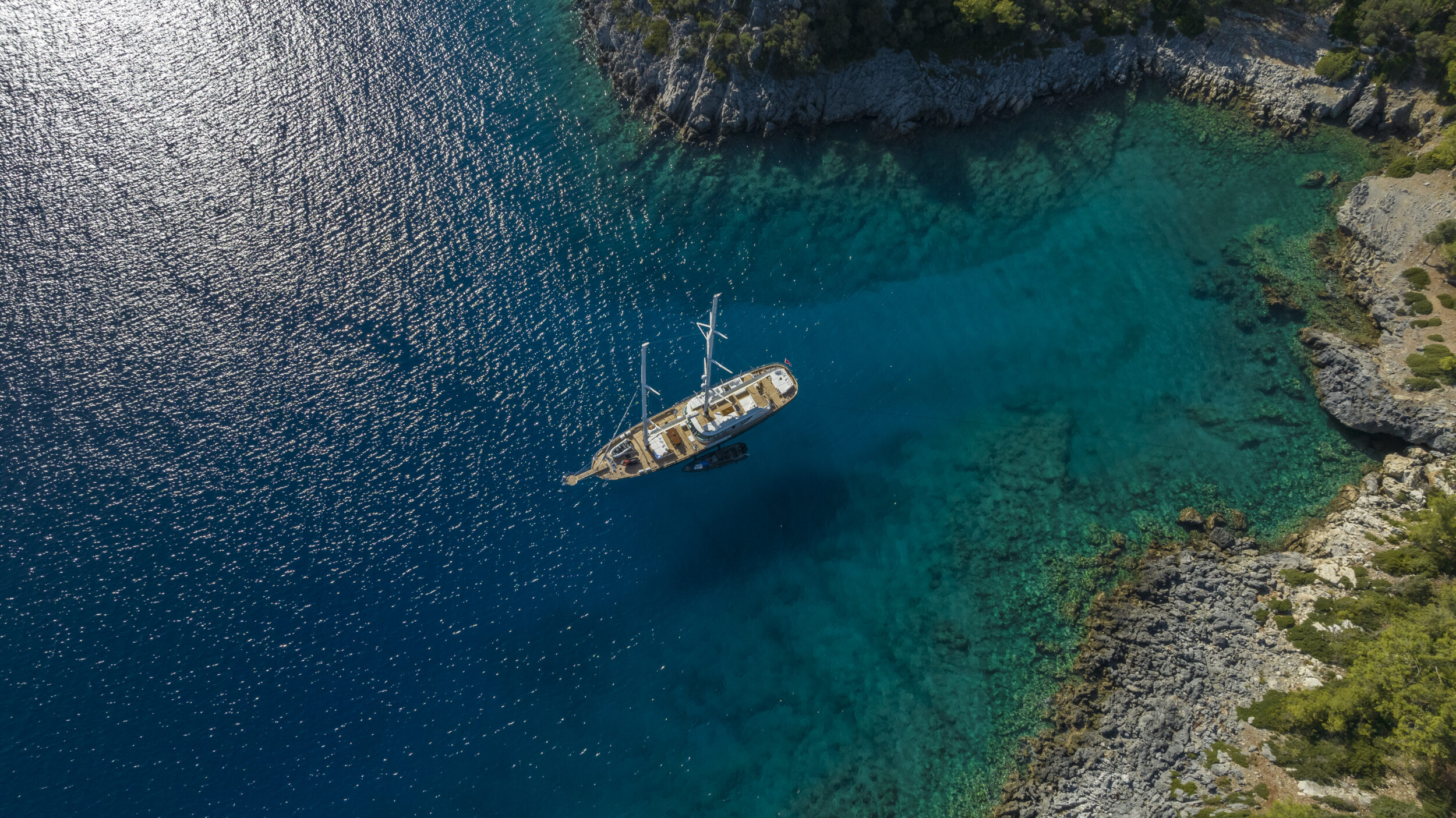
Photo of AMIKA superyacht cruising through the water.

“Regardless of how familiar a destination may be, security should never be taken for granted. Remaining vigilant, understanding the local environment and consistently applying appropriate security measures are essential to protecting both the owner and crew, wherever they may be cruising.”

A Considered Approach to Security

Protecting a yacht is rarely about a single measure. It is the combination of careful monitoring, a trusted crew, well-managed systems and thoughtful planning that keeps both the yacht and its Owner secure. When each of these is built into the way a yacht is managed, security becomes part of the rhythm of life on board rather than something the Owner needs to think about.

Our Team of experts would be pleased to discuss how security and privacy arrangements can be tailored to your yacht. For those considering their next yacht, you can also browse our portfolio of yachts for sale, explore our current selection of yachts for charter, or enquire below.

Enquire now

Related Articles

Need help or advice?

The yachting journey can be complex with many decisions to be made. Get in touch with Ocean Independence, and one of our specialist consultants will help you make the right choices.

As a truly global company with 15 offices worldwide, we’re available 24/7 to help with any enquiries.

OI stand

Search

Enter a search term below to search our website.