Articles Watersports Rules and Regulations: Complete Guide to Safety & Compliance

Whether for leisure or adventure, knowing the latest watersports rules and regulations is key to a safe and enjoyable yachting experience.

From Jet Skis to wakeboards, towable inflatables to kayaks, different watersports bring energy and excitement to time on board. Yet, regulations exist to reduce hazards and ensure personal safety, compliance, and the protection of marine destinations.

While each country sets its own laws and local regulations, there are universal principles that apply everywhere. This complete guide outlines those core rules, then explores kayaking rules and regulations, water skiing safety practice, and personal watercraft requirements across leading yachting destinations in the Mediterranean, the Caribbean, and beyond. For those seeking experiences further afield, emerging hotspots such as yacht destinations in Dubai also continue to grow in popularity, with opportunities to enjoy the warm sun and ample swimming areas.

Applies Everywhere Universal Watersports Safety Rules

Regardless of the destination, there are fundamental rules that underpin safety and the responsible enjoyment of watersports. These universal principles apply whether you are operating a Jet Ski, enjoying a day of kayaking, or taking part in water skiing. They not only safeguard participants but also protect people who are open water swimming, other boats or the environments in which these activities take place.

Life jackets remain non-negotiable, with every participant required to wear a life jacket, regardless of their swimming ability or chosen activity. Operators must also meet licensing requirements and minimum age limits, which typically range from 14 to 18 depending on the country. Speed limits and no-wake zones are strictly enforced in most regions, avoiding potential hazards and ensuring that swimmers, nearby vessels, and sensitive shorelines are not put at risk.

Equally important is the buddy system and proper supervision. Watersports should never be carried out alone; having trained crew or companions on hand provides an additional layer of safety. Environmental responsibility is another cornerstone of good practice. Respect for seagrass beds, coral reefs, and marine protected areas is vital, with specific rules in place in certain destinations, including France, where anchoring regulations are thorough.

Together, these measures answer the common question: “Are watersports safe?” When participants follow established safety practices, carry the correct certification, stay aware of the water conditions, and respect the marine environment, watersports can be enjoyed with confidence across a wide range of destinations. Monitoring wind, waves, and signs of danger helps to avoid collisions, minimise injuries, and prevent dangerous situations.

Country-by-Country Watersports Regulations

Croatia

In Croatia, the driver of any personal watercraft must be at least 16 years old and hold a valid PWC licence. All Jet Skis must be registered, insured, and recorded with the harbour office, and a Croatian Permit is required for both tenders and PWCs. Watercraft must remain at least 300 metres from the shoreline, with operations strictly prohibited in ports and national park areas. Operators should also remain aware of other boaters and shifting nature conditions to stay safe.

High-resolution aerial photograph capturing a female wakeboarder being towed by a jet ski on the open waters of the Adriatic Sea, along the Croatian coastline. The image showcases dynamic movement, with water spray and wake trails clearly visible from above. Dramatic cloudy skies add a striking backdrop, enhancing the sense of adventure and excitement. Taken from a drone, the perspective highlights both the skill of the wakeboarder and the natural beauty of the coastal landscape, making it perfect for illustrating water sports, outdoor recreation, travel, and active lifestyle.

France & Monaco

In France and Monaco, personal watercraft may only be operated by those aged 16 or older holding a valid Jet Ski licence. All PWCs must remain at least 300 metres from the shore and can only be used during daylight hours, up to 20:00. Each Jet Ski must display “tender to…” and stay within sight of the yacht at all times. For towing activities such as water skiing or wakeboarding, at least two people must be on board the vessel, one to drive and another to watch the water skiers carefully for signs of difficulty, helping to avoid collisions and reduce the risk of injuries. Additional restrictions apply to anchoring in certain areas, see our guide to French anchoring regulations for more details.

Wakeboarder at the Cote D'Azur

Greece

In Greece, Jet Ski drivers must be at least 16 years old and hold a valid licence. Personal watercraft must remain 300 metres from the shoreline, with a maximum speed of three knots permitted in port until this distance is reached. A unique rule in Greece prohibits Jet Ski use between 13:30 and 18:00 in built-up areas to preserve afternoon relaxation time. Regional bans also apply, most notably around the island of Paros.

Mykonos is Greece's most famous cosmopolitan island, a whitewashed paradise in the heart of the Cyclades

Italy

In Italy, personal watercraft regulations are strictly enforced and vary regionally. Drivers must be at least 18 years old and hold a Jet Ski licence issued by an EU member state, as UK RYA licences are no longer valid. PWCs must remain at least 500 metres from the shoreline, and all users are required to wear safety equipment, including a helmet and life vest. Several areas impose additional restrictions or outright bans, such as Ischia, Cinque Terre, and the Maddalena Islands. Local harbour offices or coast guards should always be consulted for up-to-date information.

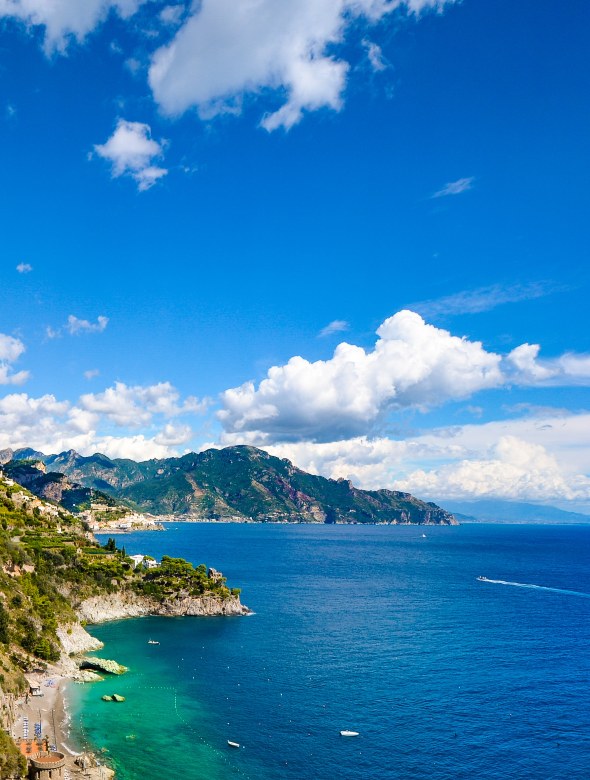
Panoramic view of the Gulf of Naples from the gardens of Anacapri, Capri island, Campania, Italy. Sorrento on continental Italy can be seen in the background

Spain

In Spain, licensing requirements depend on the horsepower of the watercraft, and all drivers must be at least 18 years old, although those aged 16 or 17 may operate with written parental consent. Valid insurance is mandatory, and operators must carry identification at all times. Jet Skis may only be used during daylight hours and in good weather, with navigation prohibited in swimming zones, ports, and regatta areas. In the Balearics, stricter rules apply: watercraft must remain 200 metres from shore and 100 metres from other vessels before exceeding five knots, and a communication device such as a handheld radio or mobile phone must be carried. Beach pickups and drop-offs are not permitted. Operators should also remain aware of wind shifts and nature changes, which can escalate into hazardous situations if ignored.

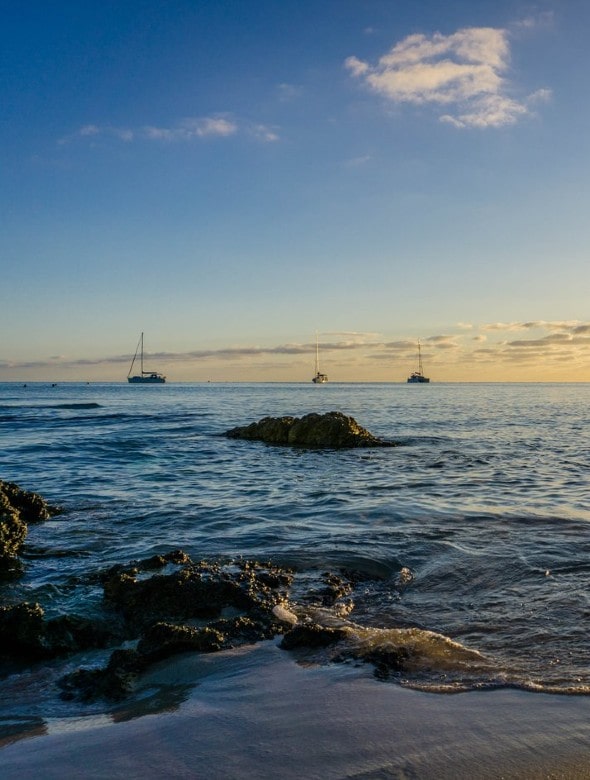
Ibiza, Balearics, Spain - Cala de San Vincente or Sant Vincent, bay with amazing beach

Turkey

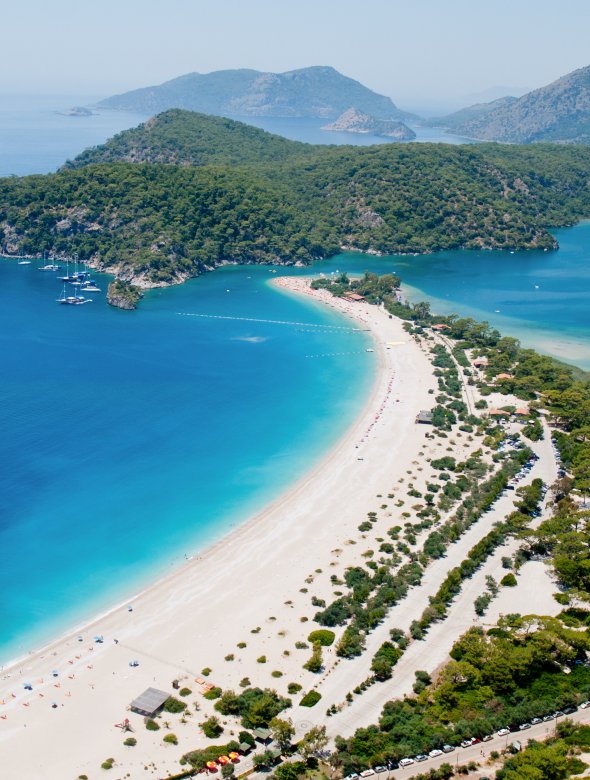
Turkey differs from most Mediterranean destinations, as there is no minimum age requirement and no licence is needed to operate a Jet Ski. However, life jackets are mandatory for all users. PWCs must stay at least 300 metres from the shore, observing a three-knot speed limit within that zone, and are prohibited in marinas, harbours, and designated restricted areas. Use is also strictly banned in the coves of Göcek and Fethiye, both popular charter destinations.

The Bahamas

In the Bahamas, Jet Ski drivers must be at least 18 years old and hold a valid licence. All users must wear life vests, and personal watercraft must remain at least 200 feet from the shoreline and 100 feet from any divers-down flag. Boarding and disembarking may only take place in designated areas, and activities such as wave jumping or reckless manoeuvres are prohibited. These rules are designed to ensure personal safety while protecting the region’s pristine waters.

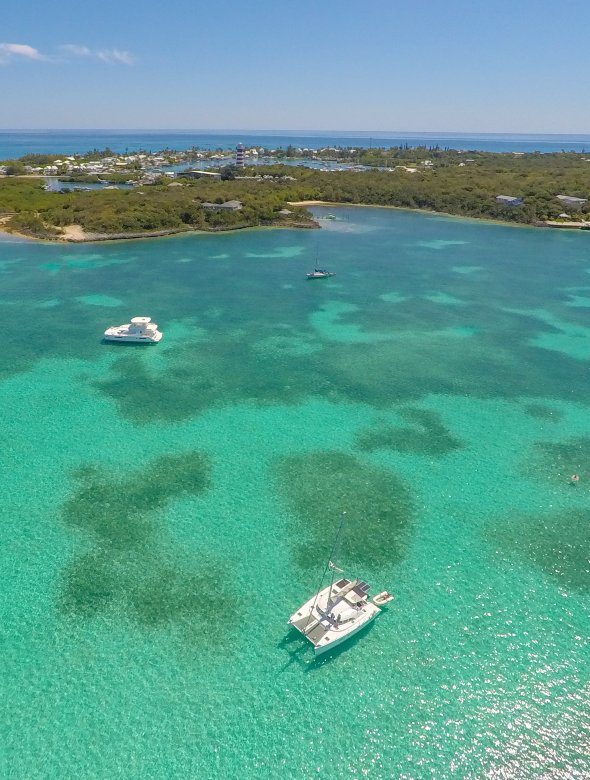
ODYSSEA with watertoys in the Bahamas

Florida (USA)

In Florida, no one under the age of 14 may operate a personal watercraft. Those under 21 must hold a boating safety education ID card and carry photo identification while operating. Life vests are required for all riders, and the operator must be connected to a kill-switch lanyard at all times. Jet Skis and other PWCs can only be used during daylight hours, and reckless driving is strictly prohibited. Additional restrictions apply in the Lower Florida Keys, where personal watercraft are banned in the Key Deer, Great White Heron, and Key West National Refuges.

Bal Harbour, United States - November 13, 2016: A man on a jet ski drives out into the open water of the Atlantic Ocean of the shores of Miami as he exits the Haulover Inlet on a beautiful day. Sunny Isles Beach buildings fill the background.

st. barts

In St. Barts, regulations for personal watercraft are firmly enforced to protect both swimmers and marine life. Operators must hold the appropriate licence and respect minimum age requirements. PWCs must remain a safe distance from the shoreline, with strict limits on speed near popular beaches and mooring areas.

aerial view of St.Jean Bay with Eden Rock, St. Barths, French West Indies

Maldives

In the Maldives, watersports are generally permitted but are often restricted to designated resort zones. Many areas limit or prohibit Jet Ski use to minimise noise and environmental impact. Visitors should check with their resort or local authorities for the latest guidance, as rules vary between atolls. Being prepared with the right gear and respecting the nature of fragile reefs is essential.

Jet Ski Water Sports in Maldives in turquoise lagoon for family vacation drone aerial view

Seychelles

The Seychelles maintains clear boundaries for watersports activities, with Jet Skis and similar craft restricted to designated zones. Environmental protection is a priority, and operators must take care to avoid areas that could damage coral reefs, seagrass beds, and marine reserves. Safety equipment is compulsory, and licences may be required depending on the activity.

Beautiful beach with white sand on a tropical island in the Seychelles

Thailand

In Thailand, rules for Jet Skis vary by region. While no licence is required for low-horsepower machines, all operators must wear life vests, and insurance is mandatory. Popular tourist areas such as Phuket and Pattaya enforce strict safety measures and may require additional permits. As in other destinations, respecting swimmers and shoreline distance rules is essential.

People are playing jet ski at sea during the holidays. Aerial view and top view.

Comparison Table of Rules

To help you navigate regional requirements at a glance, this table summarises key watersports regulations across popular yachting destinations. Use it as a quick reference when planning your activities or reviewing compliance before departure.

Country

Minimum Age

Licence Needed

Distance from shore

Key Restrictions

Croatia 16+ Yes 300m No national parks or ports
France / Monaco 16+ Yes 300m Daylight only, towing rules, anchoring restrictions
Greece 16+ Yes 300m Afternoon ban, Paros ban
Italy 18+ EU Licence 500m Regional bans (Ischia, Cinque Terre, Maddalena)
Spain 18+ (16+ with consent) Yes 200-300m (varies) No beach pickups, insurance required
Turkey None No 300m Bans in Göcek & Fethiye
The Bahamas 18+ Yes 200ft Diver flag rules, designated boarding areas
Florida (USA) 14+ Yes (under 21 ID) n/a No National Refuges, daylight only

Buyer & Charterer Guidance

Planning a yacht charter that includes watersports requires more than simply selecting the right toys. Regulations vary widely by destination, and ensuring full compliance is essential for both safety and enjoyment. All watersports activities are subject to specific requirements that should be considered before you step on board.

Before booking, it is important to confirm that all necessary licences and permits are in place, the crew maintain up-to-date regulatory records, and any restricted zones have been checked with the relevant harbour authorities. These precautions not only prevent potential penalties but also guarantee a seamless and stress-free charter experience.

We can assist in providing expert guidance on every detail of watersports compliance, from country-specific licensing rules to regional restrictions that may affect your itinerary. Our yacht management services ensure that your yacht and crew are fully prepared, leaving you free to enjoy your charter with confidence. Whether you are planning watersports activities in the Mediterranean, Caribbean, or further afield, our consultants are on hand to advise on the latest requirements and create a tailored plan for safe and compliant watersports.

For those combining air travel with their charter, our expertise extends to ensuring seamless yacht and air travel, allowing you to move effortlessly from private jet to superyacht with every detail managed.

Common Violations and Penalties

Even minor breaches of watersports rules and regulations can result in significant consequences for both yacht owners and charter guests. Authorities across the Mediterranean, Caribbean, and beyond enforce strict compliance to protect safety and preserve marine environments. A lack of preparation or awareness can quickly turn a day of fun into an avoidable disruption.

Breaking local laws can lead to fines for unlicensed Jet Ski drivers, the confiscation or detention of PWCs, and even operational delays if harbour authorities decide to intervene. In serious cases, yachts risk being held in port until compliance is confirmed, affecting the wider charter itinerary.

A recent example in the Balearics saw a yacht fined after guests exceeded speed limits within 200 metres of shore. The incident underlines the importance of pre-charter safety briefings and strict adherence to water skiing safety practice, Jet Ski regulations, and kayaking rules and regulations.

At Ocean Independence, we help clients and crews avoid these issues through proactive planning and expert guidance. By ensuring that all documentation, licensing, and safety protocols are in order before departure, our Team reduces the risk of penalties and provides peace of mind. With our support, you can focus on enjoying different watersports activities safely and confidently, knowing that compliance has been taken care of.

Understanding watersports rules and regulations is key to safe, enjoyable, and compliant experiences on the water. These measures protect passengers, preserve destinations, and avoid costly penalties.

Our expertise ensures that clients enjoy different watersports with full confidence that every activity is safe and compliant. Speak to our Team today for the latest guidance on watersports regulations in your chosen destination, or enquire below.

Enquire now
FAQs

Find the answers to the most commonly asked questions FAQs: Watersports Rules & Regulations

Do I need a licence to drive a Jet Ski in the Med?

Yes. Most Mediterranean countries require a valid PWC licence, and in some regions, a boat operator may also need to carry proof of training. Always check local regulations carefully before you participate in any activity.

Are life jackets mandatory everywhere?

Yes. Life jackets are universally required for all watersports. In addition, many destinations specify that a flotation device or other appropriate equipment must be carried on board any vessel used for towing or watersports.

Can children legally use Jet Skis or watertoys?

No. Minimum ages range from 14 to 18 depending on the country, and younger participants may only be allowed to join in activities such as tubing if they are closely supervised and equipped with appropriate equipment.

Are there universal international rules?

No, but there are common principles such as life vests, distance-from-shore limits, daylight use, and the use of hand signals to communicate with other boats and boaters. These basic practices are crucial for avoiding accidents in areas where multiple vessels share the water.

What happens if I break local watersports laws?

Expect fines, possible PWC confiscation, and in some cases yacht detention. In addition, if poor weather conditions or strong currents contribute to an incident, penalties may be more severe.

Can I operate a Jet Ski or watertoy in shallow water?

No. Operating PWCs in shallow water can damage marine ecosystems and cause dangerous situations for the user. It is crucial to remain in designated zones, where depth and surroundings are safe for both the craft and its operator.

How do weather conditions affect watersports?

Weather conditions are a crucial factor in watersports safety. Activities should be avoided during strong winds or when strong currents make it unsafe. Being fully aware of your surroundings and communicating clearly using hand signals with your crew and other boats helps ensure everyone stays safe.

What safety equipment should I use when water skiing or wakeboarding?

At a minimum, you should wear a life jacket, but many countries also require helmets and other equipment. A spotter on the boat operator’s team is usually mandatory to watch the skier and help prevent injuries.

Related Articles

Need help or advice?

The yachting journey can be complex with many decisions to be made. Get in touch with Ocean Independence, and one of our specialist consultants will help you make the right choices.

As a truly global company with 15 offices worldwide, we’re available 24/7 to help with any enquiries.

OI stand

Search

Enter a search term below to search our website.